Home
Graves' Disease Center
Deciding how to treat Graves' disease? Call (732) 792-5003 or request a consultation. Office: 55 Willow Ln, Suite 101, Englishtown, NJ. Surgery at Atlantic Health CentraState Medical Center, Freehold, NJ.
The options are medicine, radioactive iodine and surgery. Dr. Alexander Shifrin, an endocrine surgeon who operates at Atlantic Health CentraState Medical Center in Freehold, New Jersey, can explain when thyroid surgery is the best choice for you.
Symptoms and diagnosisTreatment optionsMedicineRadioactive iodineSurgeryEye diseaseQuestionsSupportReferences
Graves' disease symptoms and diagnosis
Graves' disease (called Basedow disease in parts of Europe) is an autoimmune disorder. The immune system makes antibodies that switch the thyroid on, so it makes too much thyroid hormone. This is hyperthyroidism, or an overactive thyroid. It speeds up the body's metabolism. Graves' disease can also cause a goiter (an enlarged thyroid), eye disease (orbitopathy, also called Graves' ophthalmopathy or thyroid eye disease) and, occasionally, a skin change (dermopathy). It runs in families and is more common in women. Its course is hard to predict.
Common symptoms
| Area | What people notice |
|---|---|
| Nerves and mood | Anxiety, irritability, trouble sleeping, shaky hands (tremor) |
| Heart | Rapid or irregular heartbeat |
| Energy and weight | Fatigue, weakness (especially thighs and upper arms, so stairs and lifting are hard), weight loss despite normal or increased appetite |
| Heat and digestion | Sweating, trouble tolerating hot weather, frequent bowel movements |
| Reproductive | Women: irregular or missed periods, and sometimes trouble getting pregnant. Men: breast enlargement or tenderness, erectile dysfunction. These improve once hyperthyroidism is treated. |
| Eyes and skin | Bulging, gritty, red or painful eyes, double vision; thick skin over the shins (uncommon) |
Smoking is weakly linked to Graves' disease but strongly linked to developing eye disease, and it makes eye disease worse. Quitting helps.
How hyperthyroidism is diagnosed
The best screening blood test. A normal value makes hyperthyroidism very unlikely.
Show how much hormone excess there is. Usually high, with a low TSH.
TSH-receptor antibodies, a thyroid ultrasound, or a thyroid scan
Medicine, radioactive iodine, or surgery
Hyperthyroidism has several causes: Graves' disease, a toxic nodular goiter, and thyroiditis. They are treated differently, so finding the cause comes before choosing treatment. Antibody tests and a thyroid scan help tell them apart.
Graves' disease treatment options compared
| Antithyroid medicine | Radioactive iodine | Thyroid surgery | |
|---|---|---|---|
| How it works | Lowers how much hormone the thyroid makes | Radiation destroys much of the thyroid over weeks to months | Total thyroidectomy removes the thyroid |
| Typical course | About 12 to 18 months, then stop if tests are normal | One dose, taking effect over about 6 to 18 weeks | One operation; overnight stay is common |
| Treatment failure (disease persists or returns) | About 50% after a standard course | About 7% | Under 1% |
| Lifelong thyroid pill afterward | Not if remission occurs | Usually yes | Yes |
| Eye disease | Does not make it worse | Can make it worse; not advised with active or severe eye disease | Does not make it worse |
| Main downsides | Rash and other side effects; rare serious ones (low white cells, liver injury) | Not for pregnancy or breastfeeding; usually not first choice for children | Small scar, anesthesia, risk to the voice nerve and to the parathyroid glands; depends on the surgeon's experience |
Which option is best depends on your age, the size of your thyroid, any eye disease, whether you plan a pregnancy, how severe your symptoms are, and your own preference.
Antithyroid medicine (methimazole) for Graves' disease
Antithyroid drugs lower the amount of hormone the thyroid makes. The two drugs are methimazole (also called MMI or Tapazole) and propylthiouracil (PTU). Both work. Methimazole is preferred for most people because PTU carries a higher risk of serious liver injury. PTU is mainly used in the first three months of pregnancy and in a few other situations.
Guidelines suggest a course of about 12 to 18 months. Some people go into lasting remission, and the drug can be stopped. Others relapse. If the disease returns, the choices are radioactive iodine, surgery, or staying on a low dose of methimazole long term, which is a reliable option for many people and has fewer side effects at low doses. A blood test for TSH-receptor antibodies helps predict this before stopping the drug. If the disease comes back after a full course, radioactive iodine or surgery is usually recommended.
Minor side effects include rash, hives, joint pain, fever and stomach upset. Rare serious ones include agranulocytosis (a drop in infection-fighting white blood cells) and liver failure. Call your doctor right away for fever, sore throat, yellow skin or dark urine while taking these drugs.
A beta-blocker such as atenolol is often started at diagnosis. It does not lower thyroid hormone, but it controls rapid heartbeat, tremor, anxiety and heat intolerance. It is stopped once the hyperthyroidism is controlled.
Radioactive iodine for Graves' disease
Radioactive iodine (radioiodine) is given by mouth as a liquid or capsule. The thyroid takes it up and the radiation destroys much of the gland, over about 6 to 18 weeks. It is a permanent treatment, and most people then need thyroid hormone pills for life.
It can make Graves' eye disease worse, so it is generally not advised for people with active or moderate-to-severe eye disease. Steroid pills are given alongside it for people with mild active eye disease. It is not given during pregnancy or breastfeeding, when thyroid cancer is known or suspected, or when a pregnancy is planned within about 6 months. Low doses are not advised, because they often fail and the treatment has to be repeated. It is also usually avoided in young children.
Thyroid surgery (total thyroidectomy) for Graves' disease

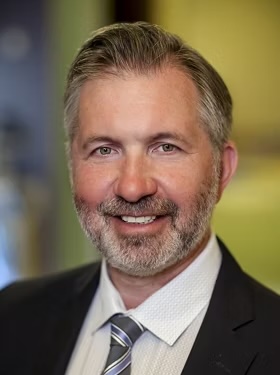
Alexander Shifrin, MD, FACS, FACE
If surgery is chosen, the recommended operation is total thyroidectomy, not a partial or subtotal removal. Removing all of the thyroid prevents the disease from returning. Guidelines also advise that it be done by an experienced, high-volume thyroid surgeon.
Benefits and risks
Surgery treats the hyperthyroidism quickly, with no drug side effects and no radiation. The risks are those of any thyroid operation: injury to the nerve that controls the voice (hoarseness), a low calcium level because the parathyroid glands next to the thyroid are affected, bleeding, infection and a small scar. In one nationwide population study, about 1 in 4 patients had some complication after thyroidectomy for Graves' disease, mostly low calcium that was temporary or, less often, long lasting. Complications are less frequent with an experienced, high-volume thyroid surgeon. Ask any surgeon how many thyroid operations they do each year.
Who should consider surgery
| Surgery is usually advised when | Surgery is often considered when |
|---|---|
| Graves' disease occurs with a suspicious or cancerous thyroid nodule The goiter presses on the windpipe or swallowing tube A child has Graves' disease, especially under age 5 Pregnancy, when the disease is not controlled with medicine You plan a pregnancy within about a year Medicine is not working after about 2 years Medicine causes side effects, such as low white blood cells or liver injury The disease returns after antithyroid medicine You do not want radioactive iodine |
You need fast control of symptoms The goiter is large and takes up little iodine You have moderate-to-severe eye disease You cannot take medicine reliably |
Children with Graves' disease are generally not given radioactive iodine. If medicine fails, surgery is the next step.
Getting ready for surgery
Before the operation your thyroid hormone level is brought to normal, usually with antithyroid medicine for 1 to 3 months. This lowers the risk of problems with anesthesia and surgery, including a thyroid storm. Many surgeons also give potassium iodide drops (such as Lugol solution) for about 7 to 10 days before surgery, which makes the thyroid less vascular and reduces bleeding. People who cannot take antithyroid medicine, or who need urgent surgery, can be prepared in 5 to 10 days with a combination of a beta-blocker, a steroid, iodine and, in some centers, cholestyramine. Your calcium and vitamin D levels are checked too, because they help protect against low calcium afterward.
Thinking about surgery for Graves' disease? Call (732) 792-5003 or request a consultation. Office: 55 Willow Ln, Suite 101, Englishtown, NJ. Surgery at Atlantic Health CentraState Medical Center, Freehold, NJ.
Graves' eye disease (thyroid eye disease)
Graves' eye disease is the most common non-thyroid problem of Graves' disease. It is caused by swelling of the muscles and fat behind the eye, which pushes the eye forward. People notice bulging eyes, gritty or dry eyes, pressure or headache, tearing, red or swollen eyelids and, sometimes, double vision. In rare cases pressure on the optic nerve threatens sight, which is an emergency. Changes in appearance can also be hard emotionally.
See an eye doctor or go to the emergency room right away if your vision is dimming, colors look faded, or you have new double vision or severe eye pain.
Treatment depends on activity and severity
| Stage | What is usually done |
|---|---|
| Mild | Stop smoking, artificial tears, selenium in areas where it is low, and watching. Keep thyroid hormone levels normal. |
| Active, moderate-to-severe | Steroids by vein, often with another medicine. Teprotumumab, an FDA-approved infusion given every 3 weeks for 8 doses, is another option. In trials it reduced eye bulging by 2 mm or more in most patients, but it can cause hearing problems and high blood sugar and is not used in pregnancy. Early referral to a center that treats eye disease is advised. |
| Sight-threatening | High-dose steroids by vein right away. If they do not work quickly, urgent orbital decompression surgery. |
| Inactive, with lasting changes | Rehabilitative surgery: orbital decompression for bulging, then eye muscle (squint) surgery and eyelid surgery |
Orbital decompression removes orbital fat and part of the bony orbit to give the eye more room. It relieves pressure, pain, bulging and eyelid retraction, and protects the optic nerve and the cornea. Patients at our practice have a full evaluation, including imaging, before any operation.

Dr. Tushar Patel
Dr. Patel is double board-certified in plastic surgery and general surgery by the American Board of Plastic Surgery and the American Board of Surgery. He is a Fellow of the American College of Surgeons (FACS) and a member of the American Society of Plastic Surgeons.
Dr. Patel received his undergraduate degree from Rutgers University and his medical degree from the University of Medicine and Dentistry of New Jersey-Robert Wood Johnson Medical School, where he graduated at the top of his class. He completed general surgery training at Robert Wood Johnson University Hospital, earning an academic excellence award, and a one-year fellowship in the National Institutes of Health-funded laboratories in the Department of Surgical Sciences at Robert Wood Johnson Medical School. He then trained in the plastic and reconstructive surgery fellowship program at the University of Texas Health Science Center and the Texas Medical Center in Houston.
In 2011 Dr. Patel received additional training in treating Graves' ophthalmopathy, and took a course on endocrine orbitopathy, at the Department of Plastic and Reconstructive Surgery, Dreifaltigkeits-Hospital, Wesseling, Germany.
Graves' disease questions and answers
The hyperthyroidism can be controlled and, with radioactive iodine or total thyroidectomy, permanently ended. The tradeoff is that you will need thyroid hormone pills afterward. Medicine alone leads to lasting remission in some people but not all. There is no single best treatment. Medicine, radioactive iodine and surgery are all accepted. The choice depends on your age, goiter size, eye disease, pregnancy plans, symptoms and preference. Yes. After total thyroidectomy you take levothyroxine every day for life. The dose is adjusted with blood tests. It is generally not advised when eye disease is active or moderate-to-severe, because it can make the eyes worse. Ask about alternatives such as medicine or surgery. Yes, but it is best to plan. Untreated hyperthyroidism in pregnancy is risky for mother and baby. Some drugs are changed before or early in pregnancy, and antibody levels are checked. If you plan to conceive soon, definitive treatment may be considered first. Both are autoimmune thyroid diseases. In Graves' disease the antibodies turn the thyroid on and cause hyperthyroidism. In Hashimoto thyroiditis the immune system damages the thyroid and usually causes an underactive thyroid.Is Graves' disease curable?
Which treatment is best for Graves' disease?
Will I need thyroid pills after surgery?
Can I have radioactive iodine if I have eye disease?
Can I get pregnant with Graves' disease?
What is the difference between Graves' disease and Hashimoto thyroiditis?
Support and patient information
Living with Graves' disease is easier with good information and support. The American Thyroid Association has patient brochures and a physician finder at thyroid.org. Ask your doctor about local and online patient groups.
Questions about your own care? Call (732) 792-5003 or request a consultation. Office: 55 Willow Ln, Suite 101, Englishtown, NJ. Surgery at Atlantic Health CentraState Medical Center, Freehold, NJ.
Related pages
References
- Ross DS, et al. 2016 American Thyroid Association guidelines for diagnosis and management of hyperthyroidism and other causes of thyrotoxicosis. Thyroid 2016;26(10):1343-1421. doi.org/10.1089/thy.2016.0229
- Kahaly GJ, et al. 2018 European Thyroid Association guideline for the management of Graves' hyperthyroidism. Eur Thyroid J 2018;7(4):167-186. doi.org/10.1159/000490384
- Bartalena L, et al. The 2021 EUGOGO clinical practice guidelines for the medical management of Graves' orbitopathy. Eur J Endocrinol 2021;185(4):G43-G67. doi.org/10.1530/EJE-21-0479
- Hoang TD, Stocker DJ, Chou EL, Burch HB. 2022 update on clinical management of Graves disease and thyroid eye disease. Endocrinol Metab Clin North Am 2022;51(2):287-304. doi.org/10.1016/j.ecl.2021.12.004
- Korevaar TIM, et al. American Thyroid Association 2026 guidelines for thyroid disease in preconception, pregnancy, and postpartum. Thyroid 2026;36(5):481-544. doi.org/10.1177/10507256261445624
This page is general information and does not replace a medical evaluation.